|
Literature for DOID 13515: tuberous sclerosis
Xenbase Articles
 :
:(
 Denotes literature images)
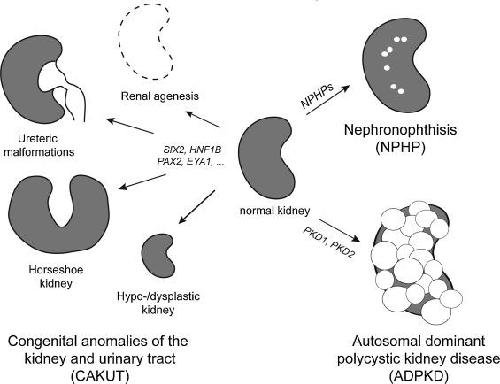
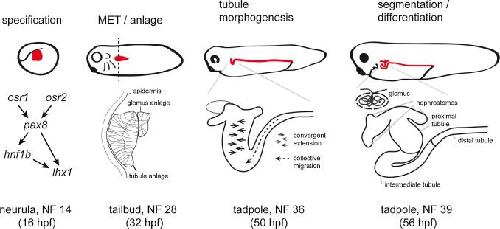
Using Xenopus to study genetic kidney diseases.,
Lienkamp SS,
Semin Cell Dev Biol. March 1, 2016; 51:1096-3634.
|
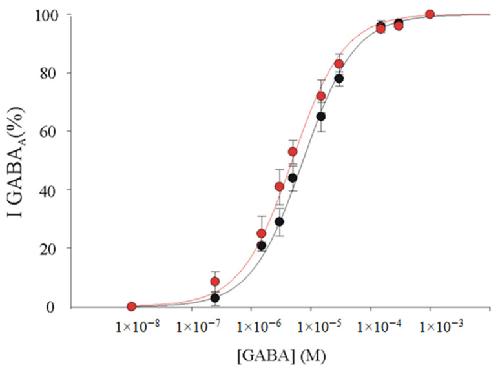
| Functional aspects of early brain development are preserved in tuberous sclerosis complex (TSC) epileptogenic lesions., Ruffolo G,Iyer A,Cifelli P,Roseti C,Mühlebner A,van Scheppingen J,Scholl T,Hainfellner JA,Feucht M,Krsek P,Zamecnik J,Jansen FE,Spliet WG,Limatola C,Aronica E,Palma E, Neurobiol Dis. November 1, 2016; 95:1095-953X. |
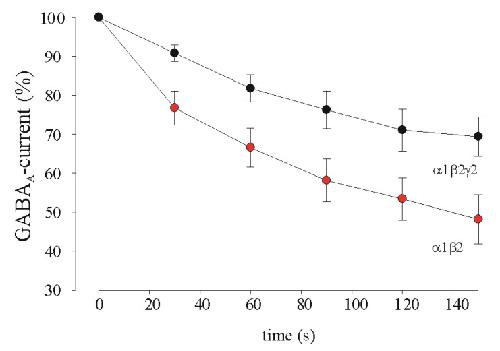
| A novel GABAergic dysfunction in human Dravet syndrome., Ruffolo G,Cifelli P,Roseti C,Thom M,van Vliet EA,Limatola C,Aronica E,Palma E, Epilepsia. November 1, 2018; 59(11):1528-1167. |
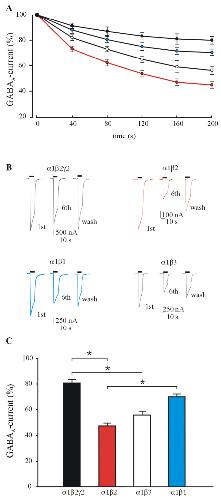
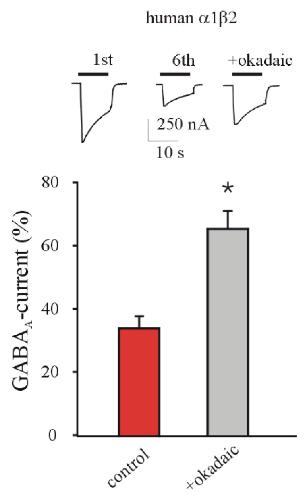
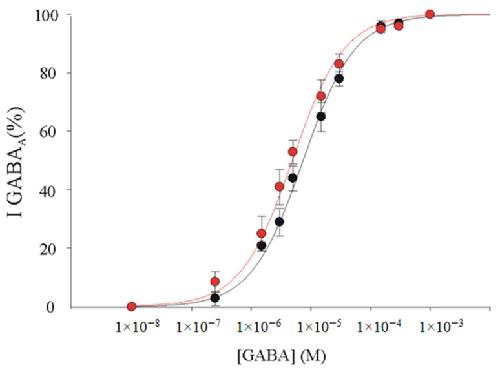
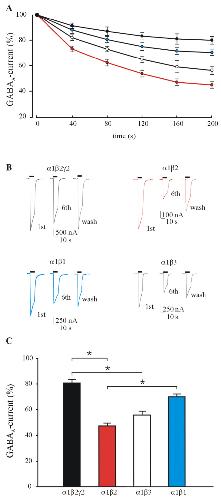
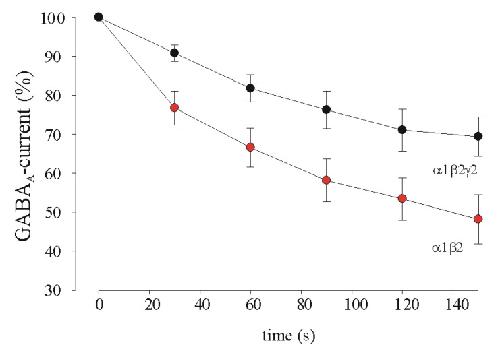
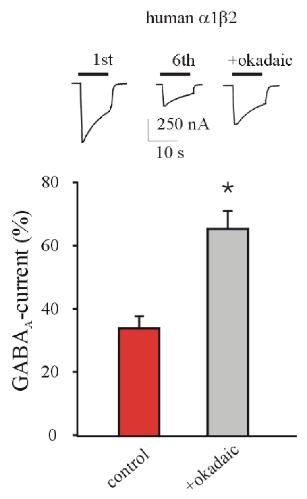
Dissecting the Molecular Determinants of GABAA Receptors Current Rundown, a Hallmark of Refractory Human Epilepsy.,
Cifelli P,Di Angelantonio S,Alfano V,Morano A,De Felice E,Aronica E,Ruffolo G,Palma E,
Brain Sci. March 30, 2021; 11(4):2076-3425.

|
| Altered somatostatin receptor 3 expression and functional dysregulation in tuberous sclerosis complex., Scheper M,Gaeta A,Ruffolo G,Lissner LJ,Le Bihan M,Anink JJ,Jansen FE,van Hecke W,Mühlebner A,Schubert D,Mills JD,Palma E,Aronica E, Prog Neurobiol. December 4, 2025; 256:1873-5118. |
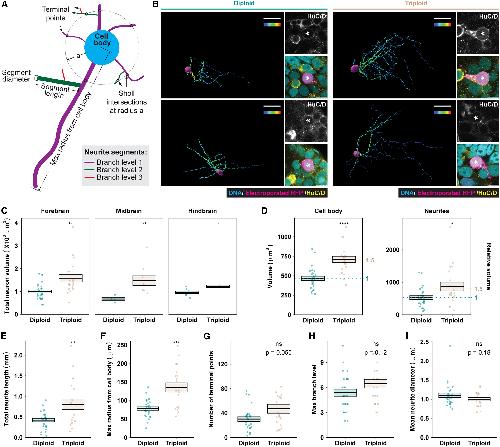
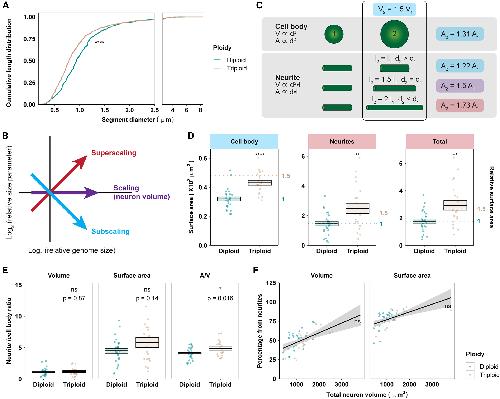
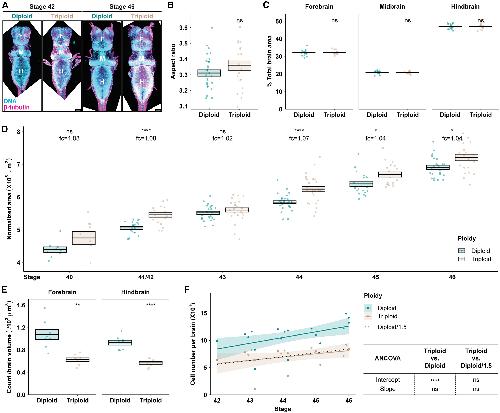
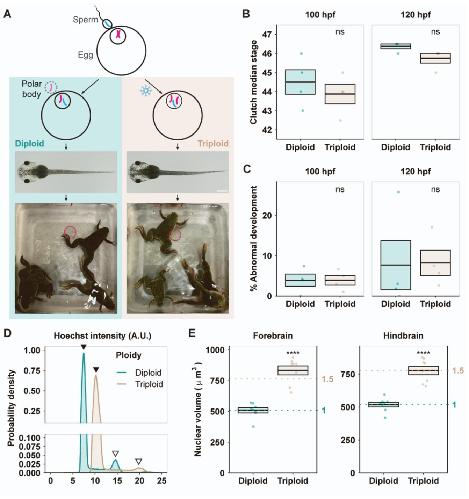
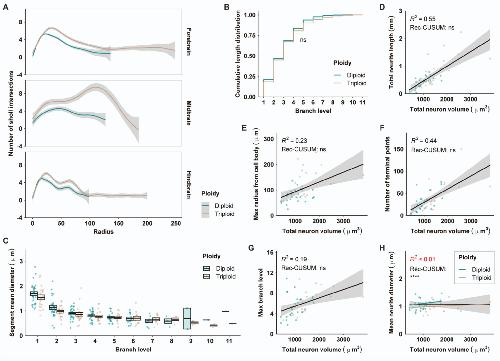
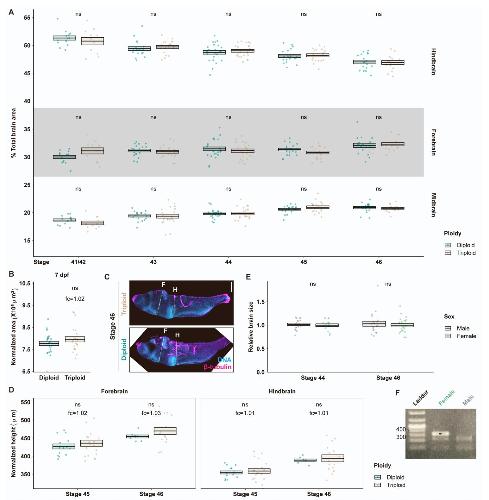
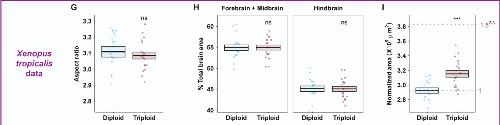
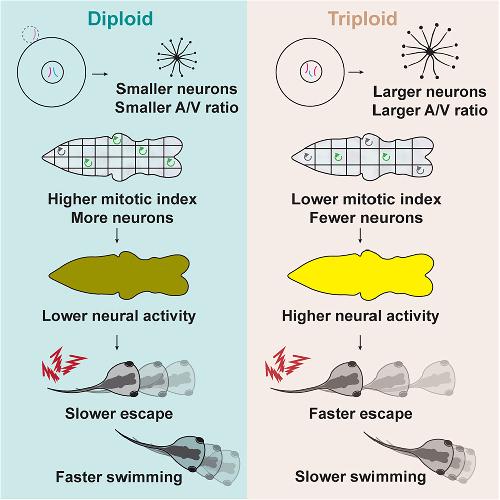
Ploidy and neuron size impact nervous system development and function in Xenopus.,
Liu X,Wan C,Shah SA,Heald R,
Cell Rep. February 10, 2026; 45(2):2211-1247.
|